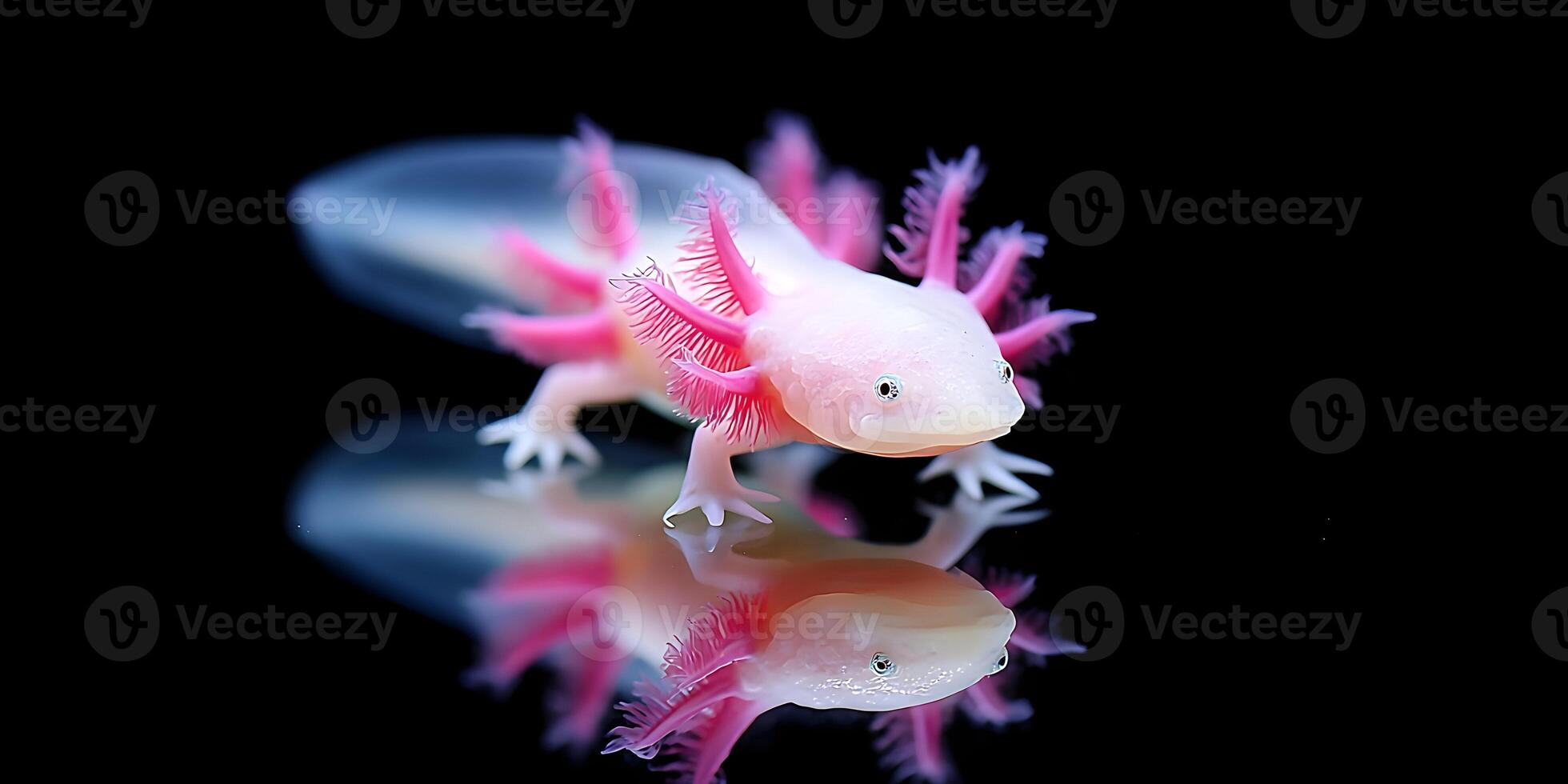
Axolotls (Ambystoma mexicanum) are unique, critically endangered aquatic salamanders from Mexico known for neoteny—retaining larval features like external gills and a tail fin throughout their lives. Found only in the Xochimilco canal system, they can regenerate limbs, organs, and spinal cords. They live 10–15 years, grow up to 12 inches, and are carnivores, feeding on worms, insects, and small fish
Key Facts About Axolotls: Unique Abilities: They have extraordinary regeneration capabilities, able to regrow legs, tails, hearts, and even parts of their brains without scarring. They are also about 1,000 times more resistant to cancer than mammals.
"Forever Tadpole" (Neoteny): Unlike other salamanders that metamorphose to live on land, axolotls remain fully aquatic and keep their feathery, external gills for life. Habitat and Status: Wild axolotls are found exclusively in the Lake Xochimilco canal system near Mexico City. They are critically endangered due to urbanization and pollution, with only 50–1,000 individuals left in the wild. Diet: They are nocturnal carnivores that hunt by suction, eating worms, insects, small fish, and snails. Appearance: While wild types are dark mottled brown or black for camouflage, captive axolotls are often white (leucistic), pink (albino), or golden. Lifespan & Size: They live on average 10–15 years in the wild. They generally grow to about 9–12 inches.
Large Genome: The axolotl genome is roughly 10 times larger than the human genome, making it one of the largest sequenced, which aids in studying their regenerative traits. Reproduction: They are capable of reproducing while still in their aquatic juvenile state.
Axolotl | National Geographic Kids Mexican salamanders are amphibians that spend their whole lives underwater. Axolotls are carnivores and nocturnal hunters. They tend to munch on worms, insects, mollusks, and small fish.